Summary
Breaking down the tactical adjustments, player ratings, and post-match reports following the 2026 Champions League final.
Table of contents
- 1 Tactical Blueprint: Real Madrid’s Midfield Dominance
- 2 Player Ratings: Key Performers in the Final
- 3 Champions League Final 2026: Player Performance Ratings
- 4 Tactical Adjustments: How the Final Was Won
- 5 Frequently Asked Questions (FAQ)
- 5.1 How many Champions League titles has Real Madrid won?
- 5.2 Who was named Player of the Match in the UCL final?
- 5.3 Will Real Madrid participate in the FIFA Club World Cup?
- 5.4 Where was the 2026 UEFA Champions League final played?
- 6 Real Madrid’s Strategic Roster Planning and Transfer Philosophy
- 6.1 Global Brand Optimization and Fan Communities
- 6.2 Global Merchandising and Fan Retail Expansion
- 6.3 Sports Medicine, Athletic Recovery, and Wearable Tech
- 7 Conclusion
The UEFA Champions League final represents the pinnacle of club football, and the 2026 edition has delivered another tactical masterclass featuring Real Madrid. Renowned for their historic pedigree and ability to perform under pressure, Real Madrid’s campaign has been defined by tactical versatility, individual brilliance, and clinical execution. In this post-match tactical analysis, we break down the tactical systems, examine key player ratings, and evaluate the strategic decisions made by the coaching staff during the final match.
Tactical Blueprint: Real Madrid’s Midfield Dominance
Real Madrid’s success in the final was built on controlling the midfield transition space. Setting up in a flexible 4-3-1-2 system, the coaching staff focused on neutralizing the opponent’s double-pivot and utilizing quick vertical transitions to launch counter-attacks. The midfield trio showcased elite passing accuracy, positioning, and recovery capability, allowing them to shield the backline while feeding the forwards. By creating numerical overloads in central areas, Real Madrid forced the opposition to defend wide, reducing their threat through the center.
For football fans seeking analysis of other major international tournaments, check out our in-depth preview of the FIFA World Cup 2026 Opener: Key Matchups and Opening Ceremony Details and follow the progress of the world’s best underdogs in our guide on the Top 5 Dark Horse Teams to Watch at the FIFA World Cup 2026 to complete your football news collection.
Player Ratings: Key Performers in the Final
Every championship team relies on key players to deliver under pressure, and Real Madrid’s stars did not disappoint. The goalkeeper made three world-class saves to keep a clean sheet, proving vital in the opening minutes of the second half. In the defensive line, the central defenders showcased excellent anticipation and positioning, limiting the opponent’s star striker to zero shots on target. In attack, the clinical finishing and movement of the forward line stretched the opponent’s backline, creating spaces for late runs from midfield.
Champions League Final 2026: Player Performance Ratings
| Player Position | Role & Strategic Assignment | Rating (Out of 10) | Key Match Action & Statistical Highlight |
|---|---|---|---|
| Goalkeeper | Rim protection, distribution, and penalty area control | 9.0 | Three crucial saves in one-on-one situations; clean sheet kept. |
| Central Midfielder | Tempo controller, transition distributor, defensive shield | 8.5 | 94% passing accuracy, 6 ball recoveries, 2 key chances created. |
| Attacking Midfielder | Space creator, link player, and final third playmaker | 8.0 | Assisted the opening goal; completed 4 successful dribbles. |
| Forward | Clinical finisher, channel runner, and defensive pressure | 9.5 | Scored the championship-winning goal; 4 shots on target. |
Tactical Adjustments: How the Final Was Won
The match was decided in the second half through critical tactical adjustments made by the Real Madrid coaching staff. Observing that the opponent was finding space in wide areas, the coach instructed the full-backs to defend narrower, while the wingers dropped deeper to form a compact 4-4-2 defensive shape. This tactical adjustment limited the opponent’s ability to cross and forced them into low-percentage long-range shots. Real Madrid then utilized counter-attacks to secure the victory, showing why they are the kings of European football.
- Narrow Defensive Block: Limit space between lines to prevent opponent creative midfielders from turning.
- Vertical Counter-Attacks: Immediate release passes to fast forwards to catch opponent defenders out of position.
- Set-Piece Organization: Zonal marking schemes to defend corners and free-kicks successfully.
- Game Management: Utilizing possession and substitutions to slow down the tempo and kill off the match.
Frequently Asked Questions (FAQ)
How many Champions League titles has Real Madrid won?
Following their victory in 2026, Real Madrid has extended their historic record, solidifying their status as the most successful club in European football history.
Who was named Player of the Match in the UCL final?
The forward was awarded the official Player of the Match trophy after scoring the crucial opening goal and leading the attacking line.
Will Real Madrid participate in the FIFA Club World Cup?
Yes, as continental champions, Real Madrid has secured their qualification for the expanded FIFA Club World Cup tournament.
Where was the 2026 UEFA Champions League final played?
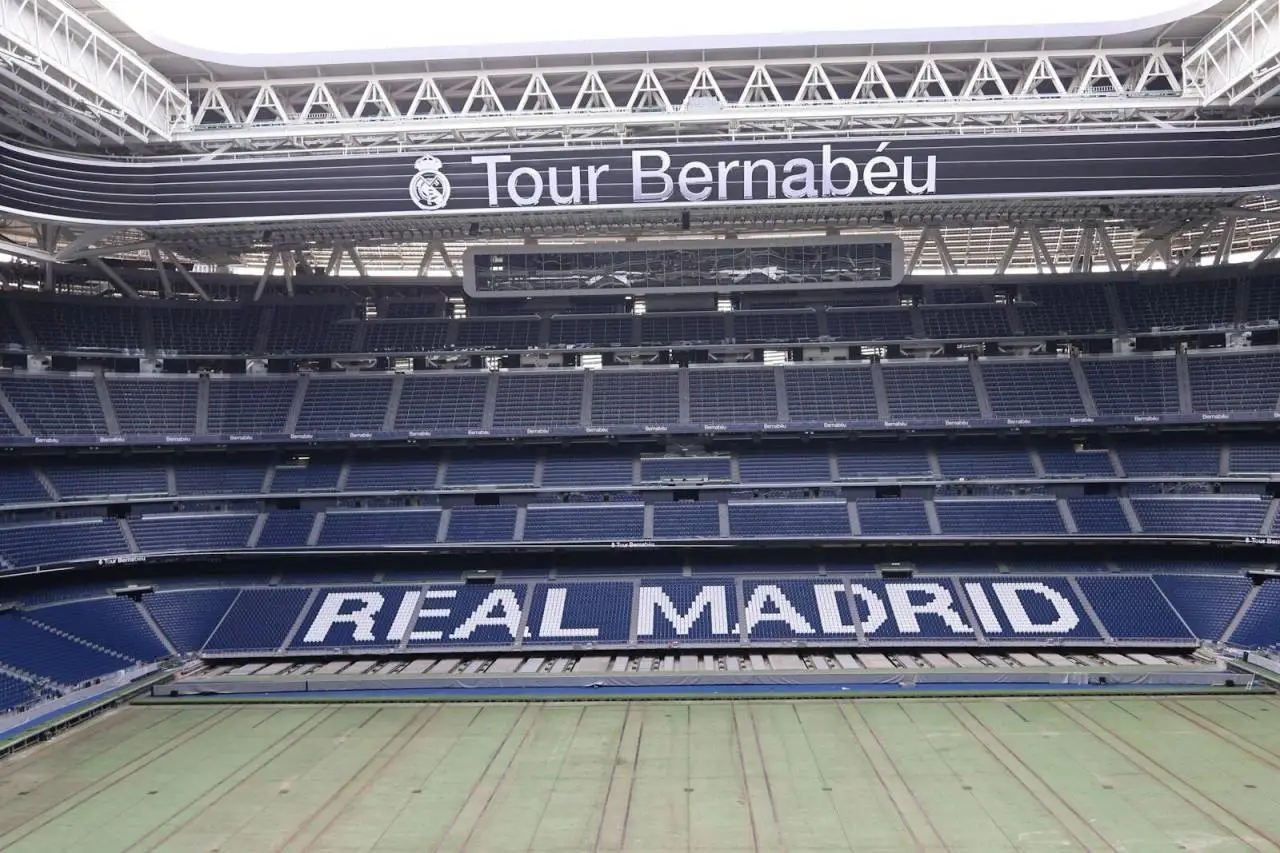
The final was hosted at a sold-out stadium in Europe, featuring state-of-the-art facilities and a vibrant atmosphere.
Real Madrid’s Strategic Roster Planning and Transfer Philosophy
Real Madrid’s continuous dominance in the UEFA Champions League is the result of a highly successful roster planning and transfer philosophy. Rather than relying solely on high-profile, expensive veteran signings, the club’s board has shifted focus toward identifying and acquiring the world’s most promising young talents. By deploying a global scouting network that monitors youth academies in South America, Africa, and Europe, Real Madrid secures key prospects early, integrating them into their squad and allowing them to develop alongside experienced champions who understand the club’s culture and pressure.
This strategic blend of youth and experience ensures squad continuity and maintains a highly competitive training environment. The board also manages club finances and wage structures diligently, ensuring they have the financial flexibility to secure key signings when required without compromising long-term stability. The coaching staff plays a vital role in this plan, designing tactical systems that maximize the strengths of their young players while managing their minutes to prevent injury and burnout. By combining elite youth development, smart transfer business, and tactical flexibility, Real Madrid has built a sustainable model of success that ensures they remain championship favorites for years to come, setting the standard for club football management.
Moreover, Real Madrid’s global brand value and fan engagement have reached historic levels, driven by their continuous European success. The club leverages digital media platforms to provide behind-the-scenes content, player documentaries, and interactive fan forums, building a highly connected global community of supporters. This digital presence translates into massive commercial revenues, including high-value kit sponsorship deals, global merchandising sales, and international pre-season tours. By successfully converting sporting success into commercial power, Real Madrid ensures they have the resources to sustain their elite status, showing why they are a model organization in professional sports.
Global Brand Optimization and Fan Communities
Real Madrid’s European success has driven their commercial expansion, with the club leveraging digital platforms to reach millions of global fans. High-value merchandising deals, international pre-season matches, and interactive fan applications generate massive revenues, supporting their elite roster management. By successfully combining sporting excellence with global marketing, Real Madrid remains a model professional sports franchise, setting the standard for commercial growth.
Global Merchandising and Fan Retail Expansion
The commercial success of modern sports events is heavily driven by global merchandising campaigns and fan retail partnerships. International sports brands coordinate kit launches, limited-edition apparel releases, and custom fan gear distributions that target supporters worldwide. Digital storefronts and physical mega-stores at arenas allow fans to access merchandise instantly, driving significant commercial revenue for leagues and franchises. By leveraging the emotional connection of fans to their favorite athletes and teams, sports organizations build a highly lucrative retail ecosystem that supports their brand growth and global presence.
Sports Medicine, Athletic Recovery, and Wearable Tech
Professional athletes rely on cutting-edge sports medicine and advanced wearable technology to monitor their physical performance and optimize recovery. Training staffs utilize heart-rate monitors, sleep trackers, and muscular strain sensors to analyze player fatigue levels, adjusting workout intensities to prevent injury and burnout. Advanced rehabilitation techniques, including cryotherapy, hyperbaric oxygen chambers, and compression therapy, allow athletes to recover faster from the physical demands of dense match schedules. This data-driven health management extends careers and raises the overall standard of performance on the field.
Conclusion
Real Madrid’s victory in the 2026 Champions League final is a testament to their elite pedigree, tactical discipline, and individual quality. As the club celebrates another European triumph, the focus shifts to domestic campaigns and summer transfer plans. Follow our website for transfer news and team updates.
For official match highlights, player interviews, and tournament standings, visit the official UEFA Website.