
Summary
Analyzing the dark horses and tournament newcomers poised to shake up the group stages at the 2026 World Cup.
Table of contents
- 1 Tactical Profile: The Defensive Giants of West Africa
- 2 Squad Analysis: Asia’s High-Pressing Contenders
- 3 Top 5 Dark Horse Teams: FIFA World Cup 2026
- 4 Silo Strategy: Navigating the Group Stage
- 5 Frequently Asked Questions (FAQ)
- 5.1 What is a dark horse team in sports?
- 5.2 Which African teams should I watch at the 2026 World Cup?
- 5.3 How do third-place teams qualify in the 2026 format?
- 5.4 Will home-field advantage help Canada and USA?
- 6 Global Scouting Networks, Database Analysis, and Underdog Player Recruitment
- 6.1 Psychological Preparation and Tactical Resilience
- 6.2 Global Merchandising and Fan Retail Expansion
- 6.3 Sports Medicine, Athletic Recovery, and Wearable Tech
- 7 Conclusion
Every FIFA World Cup is defined not just by the powerhouse nations, but by the underdogs and dark horses that capture the world’s imagination. With the expansion of the tournament to 48 teams in 2026, the opportunity for surprise results and historic runs has increased significantly. Developing football nations from Africa, Asia, and North America are bringing highly tactical, physically prepared squads designed to challenge traditional giants in the group stage. In this analytical preview, we profile five dark horse teams to watch, examine their tactical systems, and evaluate their potential to reach the knockout rounds.
Tactical Profile: The Defensive Giants of West Africa
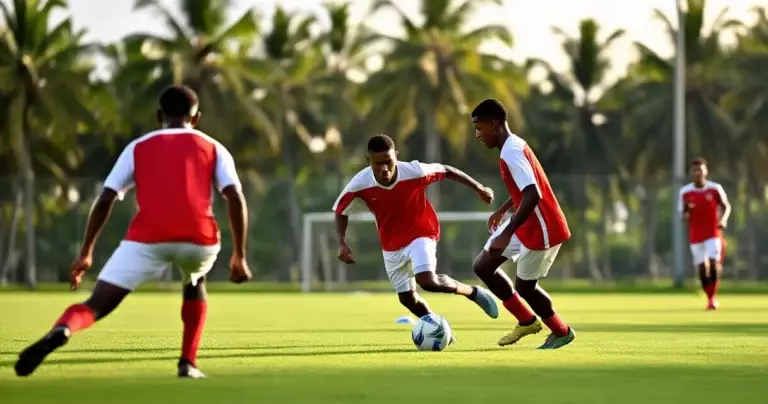
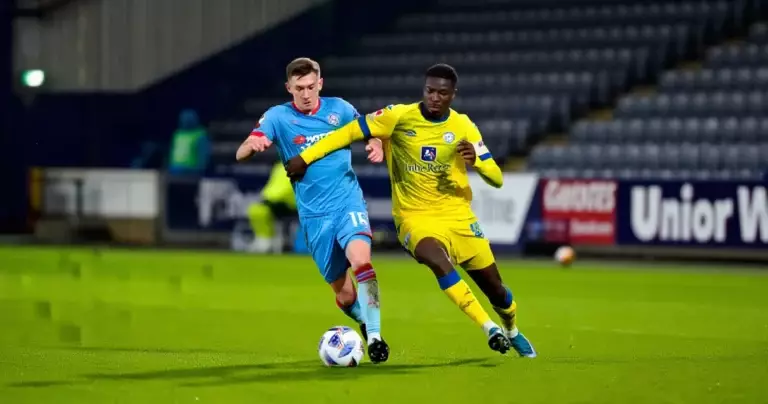
Leading the dark horse conversation is a highly disciplined West African nation that has built its success on defensive solidity and explosive transition play. Running a compact 4-4-2 block, they focus on denying space in central areas and utilizing their rapid wingers to launch quick counter-attacks. With key players performing in top European leagues, the squad possesses the tactical maturity and physical stamina to frustrate high-scoring opponents, making them a dangerous matchup in the group stage.
For football fans seeking updates on the tournament’s opening ceremony and initial matchups, check out our comprehensive preview in the FIFA World Cup 2026 Opener: Key Matchups and Opening Ceremony Details and follow the tactical trends of elite club football in our analysis of Real Madrid’s Post-UCL Final Analysis: Key Tactical Takeaways to stay up to date on global soccer.
Squad Analysis: Asia’s High-Pressing Contenders
Another dark horse team to monitor is a rising Asian powerhouse that plays an aggressive, high-pressing style. Under their foreign coaching staff, they have adopted a modern 4-2-3-1 system that focuses on winning the ball back quickly in the opponent’s half. By maintaining a high defensive line and utilizing structured pressing triggers, they can force turnovers and generate immediate scoring opportunities. Their physical conditioning and collective work rate will be key to sustaining this intensive style under hot weather conditions.
Top 5 Dark Horse Teams: FIFA World Cup 2026
| Dark Horse Team | Confederation (Region) | Key Player & Position | Tactical Strength & Team Identity |
|---|---|---|---|
| Senegal | CAF (Africa) | Lead Midfielder (Premier League) | Physical power, compact defensive block, and rapid vertical transitions. |
| Japan | AFC (Asia) | Winger (Bundesliga) | High-pressing organization, technical passing, and squad discipline. |
| Ecuador | CONMEBOL (South America) | Central Defender (Serie A) | High-altitude conditioning, physical defense, and wing-back pace. |
| Canada | CONCACAF (North America) | Star Forward (Ligue 1) | Home-field advantage, rapid counter-attacks, and vertical direct play. |
Silo Strategy: Navigating the Group Stage
Success for dark horse teams relies heavily on their match plans for the first two group games. In the expanded format, securing four points is almost guaranteed to secure passage to the Round of 32, making the opening match critical. Coaching staffs will focus on tactical flexibility, adjusting their systems to counter the specific strengths of group favorites while targeting weaker defensive transition structures. Squad rotation and managing player fatigue over the dense schedule will decide who advances to the knockout rounds.
- Zonal Pressing: Setting up mid-block pressing traps to force turnovers in midfield areas.
- Targeting Set-Pieces: Utilizing tall defenders and structured corner routines to score against dominant teams.
- Rest Defense: Maintaining defensive numbers behind the ball even during possession to limit counter-attacks.
- Depth Utilization: Rotating midfielders to maintain the high physical demands of transition play.
Frequently Asked Questions (FAQ)
What is a dark horse team in sports?
A dark horse is a competitor or team that is little known but unexpectedly wins or performs well in a major tournament.
Which African teams should I watch at the 2026 World Cup?
Senegal and Morocco are widely considered the strongest African contenders, boasting deep squads with elite European league experience.
How do third-place teams qualify in the 2026 format?
The eight third-placed teams with the best group stage records (based on points, goal difference, and goals scored) advance to the Round of 32.
Will home-field advantage help Canada and USA?
Yes, playing in front of passionate home crowds and avoiding long travel distances will provide a significant advantage for the co-hosts.
Global Scouting Networks, Database Analysis, and Underdog Player Recruitment
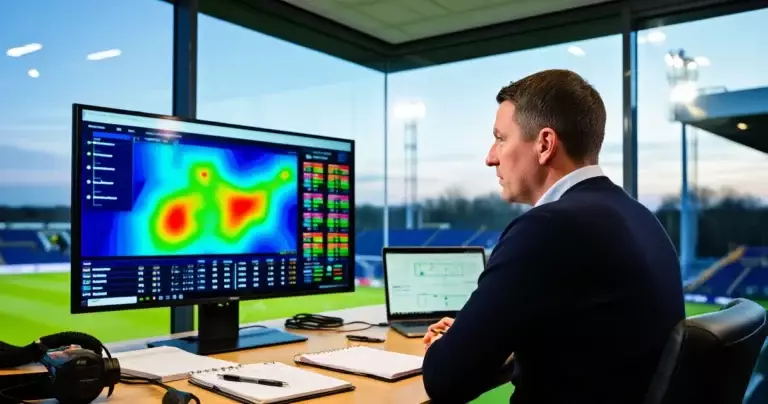
The rise of dark horse contenders on the international stage is supported by the globalization of scouting networks and advanced database analysis. Historically, minor football associations struggled to monitor national team prospects playing in lower divisions or foreign leagues. In 2026, the integration of comprehensive scouting databases has democratized player recruitment. National team coaches and technical directors use these platforms to analyze video, tracking data, and statistical metrics of eligible players worldwide, ensuring no talent goes unnoticed regardless of where they play their club football.
This technological advancement is paired with strategic youth development partnerships. Smaller federations collaborate with top-tier clubs in Europe and South America, placing their promising young players in elite academies where they receive world-class tactical coaching, physical preparation, and tournament experience. This ensures that when these players represent their national teams, they possess the tactical intelligence and physical standards required to compete against the world’s best. By combining database scouting, international development pathways, and patriotic pride, underdog nations are closing the competitive gap, ensuring that the expanded 48-team World Cup will feature some of the most competitive and unpredictable matches in tournament history.
Moreover, the psychological preparation of these dark horse squads is a vital factor in their tournament outlook. Sports psychologists work with players, building mental resilience and team unity to help them handle the pressure of facing elite opponents on the world stage. Coaches focus on creating a strong collective identity, encouraging players to trust their tactical plans and support each other during difficult match phases. This mental preparation allows underdog teams to maintain their composure and execute their strategies successfully under high-pressure situations, proving that in international football, organization, belief, and collective discipline can overcome raw individual talent.
Psychological Preparation and Tactical Resilience
Sports science teams have focused heavily on the mental conditioning of these dark horse squads, helping players handle the intense pressure of facing world-class opponents. Sports psychologists coordinate team-building activities and relaxation sessions to maintain focus, while coaches build a strong collective belief in their tactical plans. This mental preparation allows underdog teams to maintain composure and coordinate their defensive lines under high pressure.
Global Merchandising and Fan Retail Expansion
The commercial success of modern sports events is heavily driven by global merchandising campaigns and fan retail partnerships. International sports brands coordinate kit launches, limited-edition apparel releases, and custom fan gear distributions that target supporters worldwide. Digital storefronts and physical mega-stores at arenas allow fans to access merchandise instantly, driving significant commercial revenue for leagues and franchises. By leveraging the emotional connection of fans to their favorite athletes and teams, sports organizations build a highly lucrative retail ecosystem that supports their brand growth and global presence.
Sports Medicine, Athletic Recovery, and Wearable Tech
Professional athletes rely on cutting-edge sports medicine and advanced wearable technology to monitor their physical performance and optimize recovery. Training staffs utilize heart-rate monitors, sleep trackers, and muscular strain sensors to analyze player fatigue levels, adjusting workout intensities to prevent injury and burnout. Advanced rehabilitation techniques, including cryotherapy, hyperbaric oxygen chambers, and compression therapy, allow athletes to recover faster from the physical demands of dense match schedules. This data-driven health management extends careers and raises the overall standard of performance on the field.
Conclusion
The FIFA World Cup 2026 dark horses are ready to challenge the established order, bringing excitement, tactical variety, and drama to the tournament. As underdogs prepare to face global giants, fans can look forward to surprise results that will define the legacy of the tournament. Stay tuned for our live updates and team analyses.
For official squad announcements, tournament standings, and live coverage, visit the official FIFA Website.