Summary
✓Reviewed by Laura Bennett Sport Singapore, commonly referred to as Sport SG, is the government statutory board responsible for shaping how 5.9 million residents participate in, access, and experience sport and physical activity across the island. According to the Sport...
Table of contents
- 1 What Is Sport SG and What Does It Do?
- 2 A Brief History of Sport SG and Singapore’s Sporting Journey
- 3 How Sport SG Measures Participation: The NSPS Explained
- 3.1 Key Participation Findings from the 2023 NSPS
- 3.2 Where to Access the Data
- 4 Top Sports and Activities in Singapore: What the Data Shows
- 5 Sport SG Facilities: What Is Available and Where
- 6 Sport SG’s Open Data Approach: SportDexSG and data.gov.sg
- 7 Participation Trends: Post-Pandemic Patterns in Singapore Sport
- 8 Sport SG and Global Events: Singapore’s International Sporting Footprint
- 9 Frequently Asked Questions About Sport SG
- 9.1 What does Sport SG actually stand for?
- 9.2 How do I find out which sports facilities are near me?
- 9.3 What is the National Sport & Exercise Participation Survey?
- 9.4 Which sports are most popular in Singapore according to official data?
- 9.5 Has sport participation in Singapore recovered after the pandemic?
- 9.6 Where can I access official Singapore sports data?
- 10 Key Takeaways: Understanding Sport SG in 2026
- 11 Sources
Sport Singapore, commonly referred to as Sport SG, is the government statutory board responsible for shaping how 5.9 million residents participate in, access, and experience sport and physical activity across the island. According to the Sport Singapore National Sport & Exercise Participation Survey (NSPS), regular participation among Singapore residents reached 32.1% in 2017 and has remained a central policy benchmark ever since — making sport sg one of the most data-driven sports ecosystems in Southeast Asia.
What Is Sport SG and What Does It Do?
Sport Singapore (SportSG) is a statutory board under Singapore’s Ministry of Culture, Community and Youth (MCCY). Its mandate covers three broad pillars: building and operating public sports facilities, developing national sport programmes and pathways, and monitoring participation through annual survey data. The board was formed from the merger of the Singapore Sports Council and Singapore Academy of Sport in 2014, consolidating the country’s elite and mass-participation sporting functions under one roof.
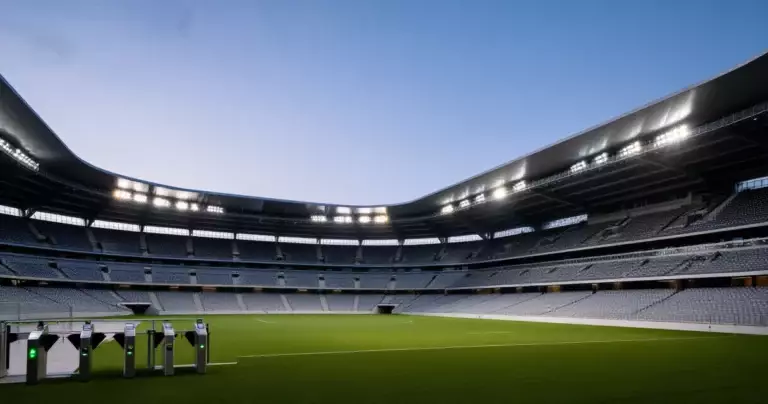
Sport SG oversees a nationwide network that, as of the most recent published facility inventory, included 26 swimming complexes, 23 gymnasiums, 17 stadiums, 17 indoor sports halls, and 11 tennis centres — all publicly accessible under unified pricing structures. Beyond direct management, the board administers a Dual-Use Scheme that opens school facilities to community use outside curriculum hours, adding a further 165 indoor sports halls and dozens of open fields and courts to the public inventory.
A Brief History of Sport SG and Singapore’s Sporting Journey
Singapore’s formal sports infrastructure dates to 1973 when the Singapore Sports Council was established to coordinate national recreation and elite programmes. The council built the original National Stadium at Kallang, opened in 1973 and demolished in 2010, before the current Singapore Sports Hub — a public-private partnership completed in 2014 — became one of Asia’s largest integrated sports and entertainment precincts. That same year, the Singapore Academy of Sport merged with the council to form Sport Singapore, creating the unified body that administers sport sg policy today. Since 2015, the annual NSPS has provided a continuous, methodologically consistent record of how resident participation evolves year on year, giving planners and researchers a rare longitudinal data set in the region.
How Sport SG Measures Participation: The NSPS Explained
The National Sport & Exercise Participation Survey is Singapore’s only annual nationwide tracking study for sport and physical activity. Conducted by Sport Singapore, it targets residents aged 13 and above through face-to-face interviews drawn from a random household sample prepared by the Department of Statistics. Each annual wave collects at least 4,500 completed responses, weighted to reflect the resident population’s age, sex, and ethnicity profile.
The NSPS categorises respondents into four participation tiers: non-participant (no activity), inactive (some activity but below threshold), irregular (active but less than once a week), and regular (at least once a week). A fifth tier — frequent participation — captures those who are active at least five times a week. This tiered approach, confirmed by data.gov.sg’s Sport & Exercise Participation Level dataset, allows policymakers to distinguish between broad participation gains and deeper behavioural change.
Key Participation Findings from the 2023 NSPS
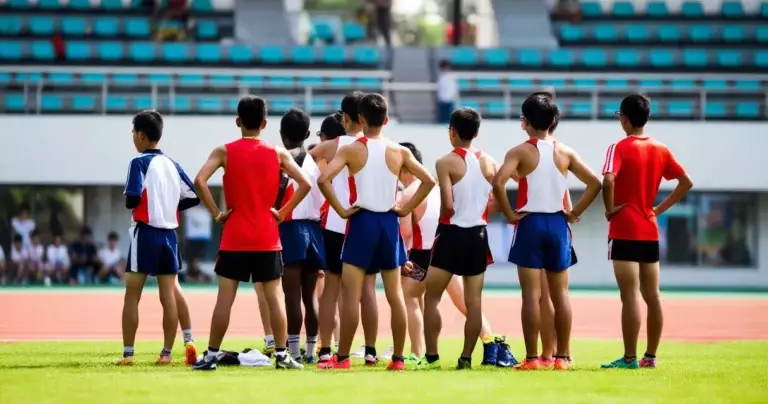
According to the 2023 NSPS Topline Findings (Sport Singapore), total regular participation remained high, though frequent participation recorded a slight dip. Non-participation increased as more residents resumed pre-pandemic habits and work pressures returned. The survey also found that sport and exercise participation was highest among teens and younger adults — a pattern consistent across prior survey years. Walking, jogging, and cycling held their positions as the top three activities nationwide, though all three recorded marginal declines from their 2022 peaks.
Where to Access the Data
All NSPS datasets are published as open government data. The Sport Participation Level collection on data.gov.sg aggregates annual participation figures by overall level, sex, age group, race, and specific sport. Detailed breakdowns — including top sports by demographic segment — are updated on an ongoing basis, with multiple datasets showing August 2026 update timestamps as of the time of writing. Sport Singapore also maintains SportDexSG, a dedicated data exchange portal, which hosts NSPS topline results and supplementary analyses.
Top Sports and Activities in Singapore: What the Data Shows
Based on the Top Sports & Exercise Overall dataset published on data.gov.sg, walking consistently ranks as the single most common sport or exercise activity among Singapore residents, followed by jogging and cycling. The dataset, updated in April 2026, draws directly from the NSPS and presents the top ten activities by year, enabling trend analysis across multiple survey waves.
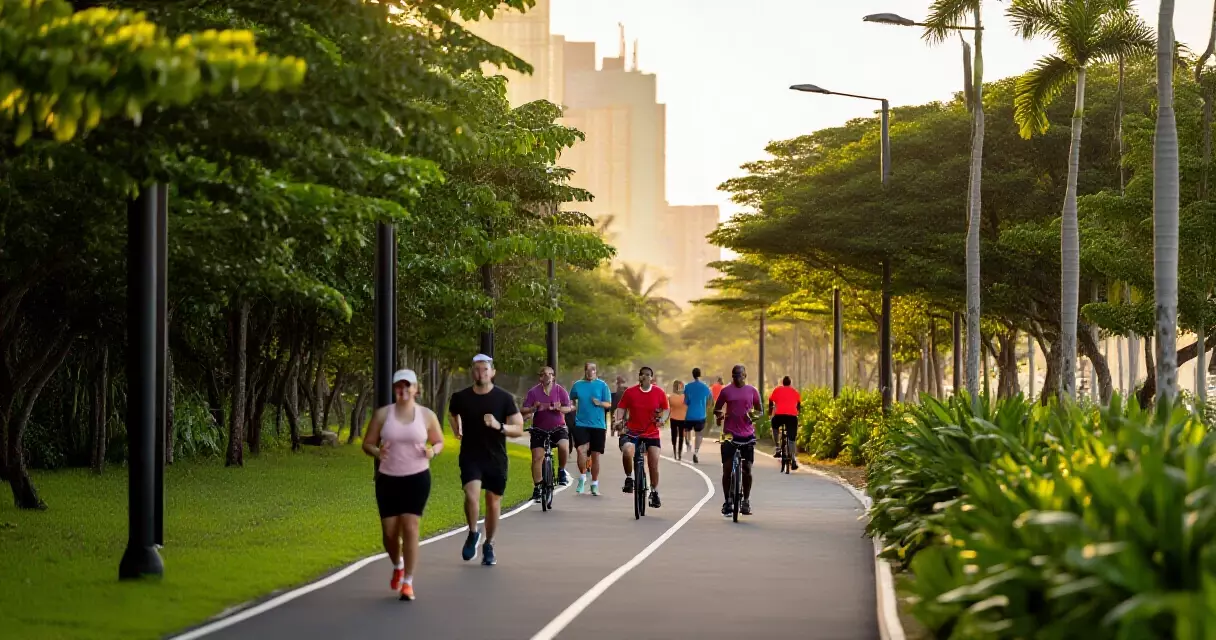
The sport sg ecosystem reflects Singapore’s urban geography: compact city parks and park connectors make walking and jogging the lowest-friction options for most residents. Swimming benefits from the island-wide network of Sport SG complexes. Badminton and football retain strong participation figures, particularly among younger male residents, while gym-based fitness has grown steadily alongside the proliferation of Sport SG gymnasiums.
| Activity | Typical Rank (NSPS) | Key Demographic |
|---|---|---|
| Walking | #1 | All age groups, higher among 40–59 |
| Jogging / Running | #2 | Teens and young adults (13–39) |
| Cycling | #3 | Broad cross-section, strong among 13–39 |
| Swimming | #4 | Families, youth programmes |
| Badminton | #5 | Males, community clubs |
| Gym / Fitness training | #6 | Young adults 20–39 |
| Football | #7 | Males under 40 |
Sport SG Facilities: What Is Available and Where
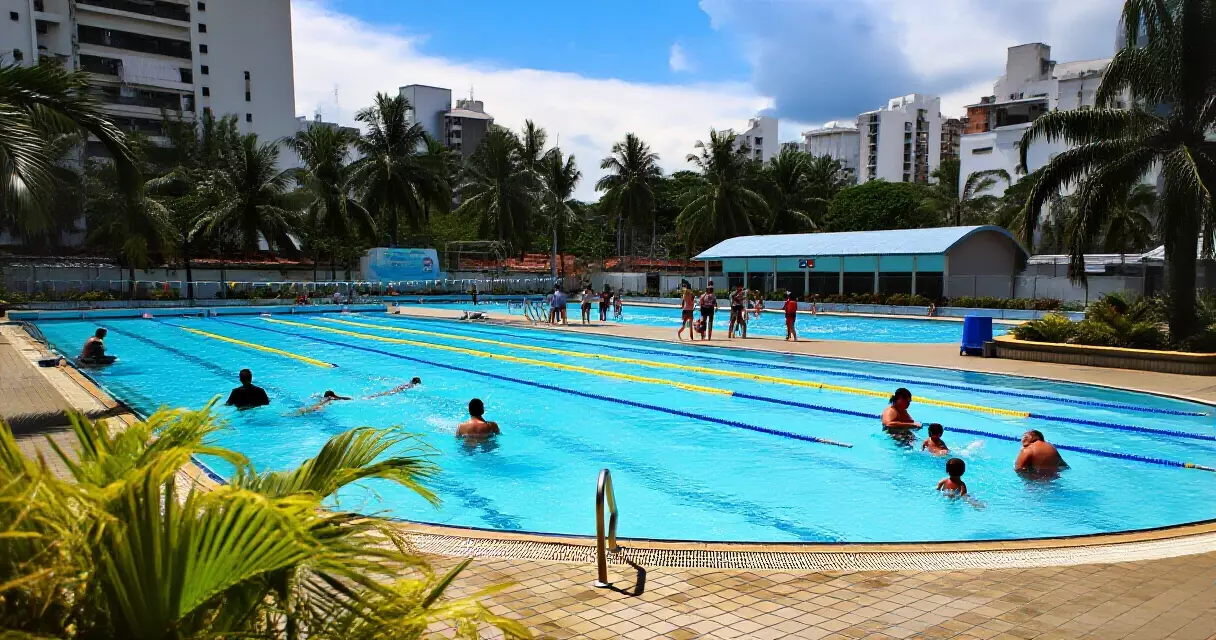
Sport Singapore directly manages a substantial portfolio of public venues. According to MCCY sports statistics, the publicly operated network has included 26 swimming complexes, 23 gymnasiums, 17 stadiums, and 17 indoor sports halls at the most recent published inventory point. Annual visitorship rose steadily from 15.37 million in 2015 to 18.12 million in 2018 before the pandemic disrupted attendance patterns.
Beyond directly managed facilities, Sport SG’s Dual-Use Scheme extends the usable public estate significantly. The scheme provides community access to school-based infrastructure outside curriculum hours, encompassing 165 indoor sports halls, 79 chargeable school fields, and 79 free-to-play fields, plus a smaller number of basketball and street soccer courts. This approach maximises built infrastructure that would otherwise sit idle evenings and weekends — a practical response to land constraints in a dense city-state.
| Facility Type | Sport SG Direct | Dual-Use Scheme |
|---|---|---|
| Swimming Complexes | 26 | — |
| Gymnasiums | 23 | — |
| Stadiums | 17 | — |
| Indoor Sports Halls | 17 | 165 |
| Tennis Centres | 11 | — |
| School Fields (chargeable) | — | 79 |
| Free-to-Play Fields | — | 79 |
Sport SG’s Open Data Approach: SportDexSG and data.gov.sg
One of sport sg’s distinguishing characteristics in the regional context is its commitment to publishing participation data as open government datasets. The Sport Singapore publisher page on data.gov.sg hosts a growing catalogue of NSPS-derived datasets covering participation levels, top sports by sex, race, and age group, and regular participation rates by gender going back to 2015. Multiple datasets in this catalogue carry August 2026 update timestamps, confirming active maintenance of the data infrastructure.
Singapore’s annual participation survey is one of the most systematically published national sport datasets in Southeast Asia — updated monthly across the year and released as open government data.
SportDexSG, Sport Singapore’s dedicated data exchange portal, serves as the front end for practitioners and researchers who need NSPS topline findings in summary form. Datasets on data.gov.sg include breakdowns for overall participation, participation by race, participation by sex, and participation across four age bands — providing a multi-dimensional picture that community sport planners, public health researchers, and facilities managers can all draw on.
Participation Trends: Post-Pandemic Patterns in Singapore Sport
The 2023 NSPS findings — the most recent comprehensively published wave — reveal a nuanced post-pandemic picture. Regular participation (at least once a week) remained high, sustaining gains made during the 2020–2022 period when outdoor exercise was one of few permitted activities. However, the report notes that frequent participation (five or more times per week) recorded a slight dip, and the proportion of non-participants edged upward as residents resumed commuting, office hours, and social schedules that had been disrupted during the pandemic years.
This pattern — strong regular participation but softening frequency — aligns with what public health researchers describe as a consolidation phase after a participation surge. For sport sg, it signals that maintaining the gains of 2020–2022 requires sustained programme investment rather than relying on environmental constraints to drive activity. The board’s open-data publishing approach means these trends can be tracked in near real time, with NSPS data collected continuously across the calendar year rather than in a single annual fieldwork window.
Singapore’s broader sports ecosystem continues to serve as both a domestic model and a reference point for regional comparisons. If you are interested in how Singapore’s sports community develops talent pipelines, the Sports Management ITE Singapore guide covers vocational pathways into the sector in detail.
Post-pandemic consolidation means sport sg’s challenge is no longer activating first-time participants — it is converting occasional exercisers into habitual ones.
Sport SG and Global Events: Singapore’s International Sporting Footprint
Sport SG’s remit extends beyond participation and facilities to encompass Singapore’s hosting of major international sporting events. The Singapore Sports Hub, as the centrepiece of the sport sg infrastructure, has hosted Premier League pre-season tours, World Rugby Sevens Series events, and the HSBC Singapore Rugby Sevens — events that both generate economic activity and expose residents to elite competition. Singapore also competes in multi-sport events including the Southeast Asian Games, where its athletes compete across aquatics, athletics, table tennis, and other disciplines.
For broader context on competitive sport in the region, the Table Tennis Singapore complete guide outlines how one of the country’s strongest competitive sports is structured, from grassroots clubs to national representation. Understanding how individual sports are developed within the sport sg framework helps explain why Singapore consistently punches above its weight in select disciplines at Southeast Asian and Asian levels.
Frequently Asked Questions About Sport SG
What does Sport SG actually stand for?
Sport SG is the informal shorthand for Sport Singapore, the statutory board under the Ministry of Culture, Community and Youth that oversees public sport development, national facilities, and participation programmes across the island. The official abbreviated form used in government communications is SportSG.
How do I find out which sports facilities are near me?
Sport Singapore maintains an official facility finder on the SportSG website at sportsingapore.gov.sg. It lists all directly managed venues by type and location. School-based facilities under the Dual-Use Scheme can be booked through the same portal for eligible activities during off-curriculum hours.
What is the National Sport & Exercise Participation Survey?
The NSPS is Singapore’s only annual nationwide survey tracking sport and physical activity participation among residents aged 13 and above. It is conducted by Sport Singapore using face-to-face interviews drawn from a random household sample prepared by the Department of Statistics, with at least 4,500 interviews completed each year. Results are published as open data on data.gov.sg and through the SportDexSG portal.
Which sports are most popular in Singapore according to official data?
According to the NSPS data published on data.gov.sg, walking is consistently the most common activity, followed by jogging and cycling. Swimming, badminton, gym-based fitness, and football round out the top activities. Rankings vary slightly by demographic group — teens favour running and court sports, while the 40–59 age band shows relatively higher rates of walking and swimming.
Has sport participation in Singapore recovered after the pandemic?
Based on the 2023 NSPS topline findings published by Sport Singapore, total regular participation remained high through 2023, sustaining much of the uplift recorded during the pandemic years. However, frequent participation (five or more times per week) recorded a slight decline, and non-participation edged upward as work and social routines normalised. The data suggests a consolidation rather than a full reversal of pandemic-era gains.
Where can I access official Singapore sports data?
Official Sport SG datasets are published as open government data on data.gov.sg under the Sport Singapore publisher account. The SportDexSG portal, linked from the Sport Singapore website, provides aggregated NSPS topline findings. The Ministry of Culture, Community and Youth also publishes periodic sports statistics and annual reports covering facilities, visitorship, and programme reach.
Key Takeaways: Understanding Sport SG in 2026
Sport SG sits at the centre of Singapore’s ambition to be a sporting nation — not simply a venue for elite competition, but a society where residents at every age and fitness level participate regularly in sport and exercise. The combination of a publicly accessible facility network, a methodologically robust annual survey, and open government data publishing gives the sport sg ecosystem unusual transparency and accountability by regional standards.
For readers interested in how global sports results and competitive contexts intersect with Singapore’s sporting culture, Daily Match Report covers the international fixtures, standings, and post-game analysis that inform how sport sg fans follow the world game — from the NBA Finals to major football competitions. Understanding the global backdrop makes Singapore’s own sport development story richer and better contextualised.
- Sport Singapore is the statutory board managing facilities, participation data, and national sport programmes under MCCY.
- The NSPS is conducted annually with at least 4,500 responses, providing the most consistent longitudinal participation dataset in Singapore.
- Regular participation reached 32.1% in 2017; the 2023 survey shows it remains high, though frequent participation has softened slightly.
- Walking, jogging, and cycling are the top three activities; swimming and badminton follow closely.
- All NSPS data is freely accessible on data.gov.sg and SportDexSG, with multiple datasets updated in August 2026.
- The Dual-Use Scheme adds 165 indoor sports halls and 158 school fields to the public-accessible estate outside school hours.
Sources
- Sport & Exercise Participation in Singapore — Sport Singapore — Retrieved August 30, 2026
- Sports Statistics and Publications — Ministry of Culture, Community and Youth — Retrieved August 30, 2026
- Sport & Exercise Participation Level — Overall — data.gov.sg — Retrieved August 30, 2026
- Top Sports & Exercise — Overall — data.gov.sg — Retrieved August 30, 2026
- Sport Participation Level Collection — data.gov.sg — Retrieved August 30, 2026
- 2023 NSPS Topline Findings (Annex B) — Sport Singapore — Retrieved August 30, 2026
- Sport Singapore Datasets — data.gov.sg — Retrieved August 30, 2026