Summary
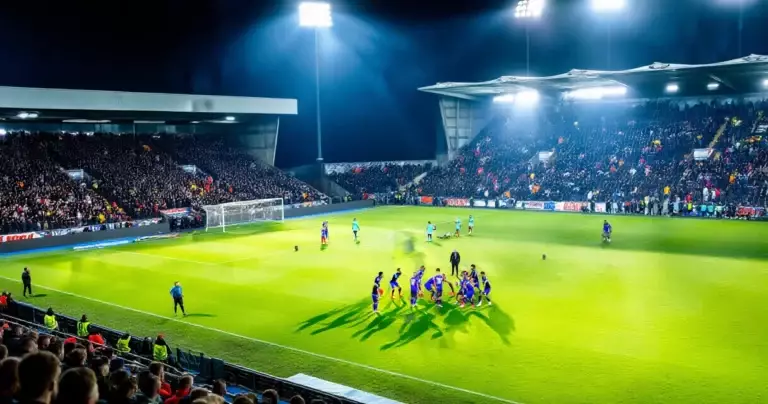
On a wet Tuesday in April 2022, Manchester City beat Brighton 3–0 at the Etihad – a routine midweek result that pushed them four points clear of Liverpool with five matches remaining. That single 90-minute slot effectively settled one of...
Table of contents
- 1 What Are Premier League Midweek Fixtures?
- 2 Why Midweek Results Carry Extra Weight
- 3 A Brief History of Midweek Title Deciders
- 4 How Teams Perform on Tuesdays and Wednesdays
- 5 Clubs That Thrive and Those That Struggle
- 6 How to Follow Midweek Premier League Results Live
- 7 Frequently Asked Questions
- 7.1 When do Premier League midweek fixtures typically take place?
- 7.2 Why are midweek results so important for the title race?
- 7.3 Do managers rotate their squads for midweek games?
- 7.4 How many midweek rounds are there in a typical Premier League season?
- 7.5 Where can I watch Premier League midweek matches in the United States?
- 7.6 Do home teams have an advantage in midweek Premier League fixtures?
- 7.7 Where can I check the full Premier League results archive including midweek games?
- 8 Sources
On a wet Tuesday in April 2022, Manchester City beat Brighton 3–0 at the Etihad – a routine midweek result that pushed them four points clear of Liverpool with five matches remaining. That single 90-minute slot effectively settled one of the tightest title races in a decade. Midweek Premier League fixtures may lack the ceremony of a Saturday 3 p.m. kick-off, but they carry a weight that typically only reveals itself in hindsight.
What Are Premier League Midweek Fixtures?
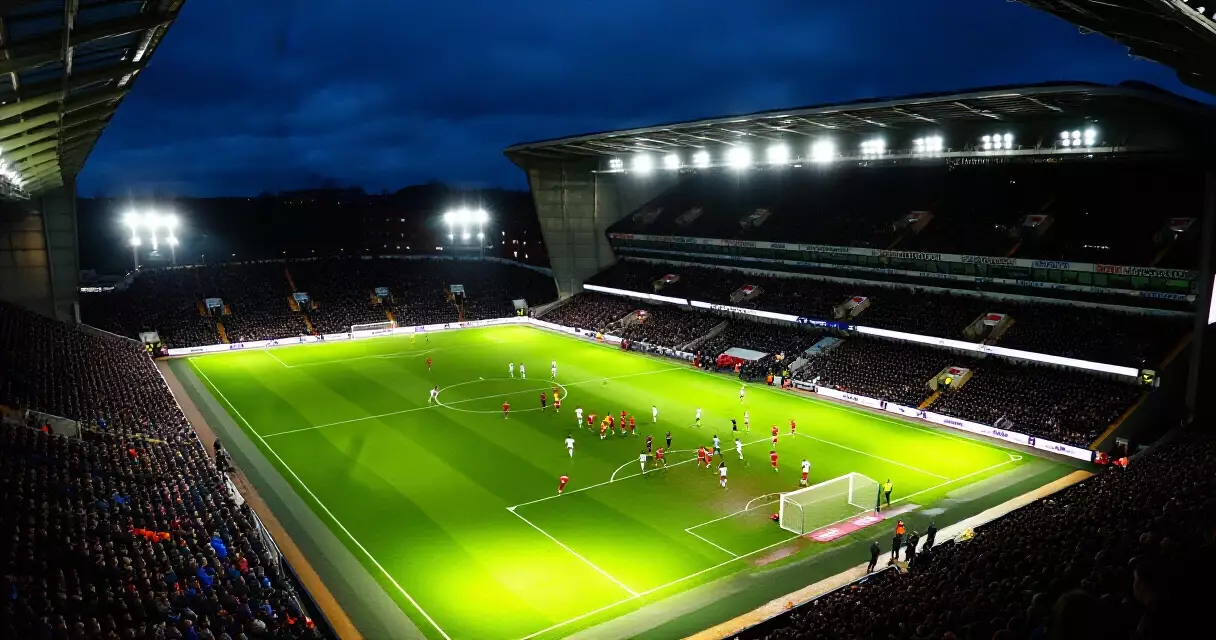
The Premier League runs 380 matches across 38 matchdays each season, spread from mid-August through mid-May. The vast majority fall on Saturdays and Sundays. Midweek rounds – those scheduled on Tuesday, Wednesday, or occasionally Thursday – fill the calendar whenever the standard weekend pattern cannot absorb the full fixture list.
Several forces push matches into midweek slots. International breaks in September, October, and November interrupt the league for roughly ten days at a time; when those windows end, clubs need a midweek round to catch up. FA Cup and EFL Cup ties have historically displaced weekend fixtures. European competition – the Champions League, Europa League, and Conference League – consumes Tuesday and Wednesday evenings from September through May, so clubs without European duties often fill those same slots with Premier League games.
The festive period from late December through early January is the most intense stretch. English football's tradition of scheduling matches on Boxing Day (December 26), New Year's Day, and the days between them means some clubs play three times in ten days. That window alone accounts for what supporters call the Christmas fixture pile-up, and the table can shift dramatically in those few days.
Why Midweek Results Carry Extra Weight
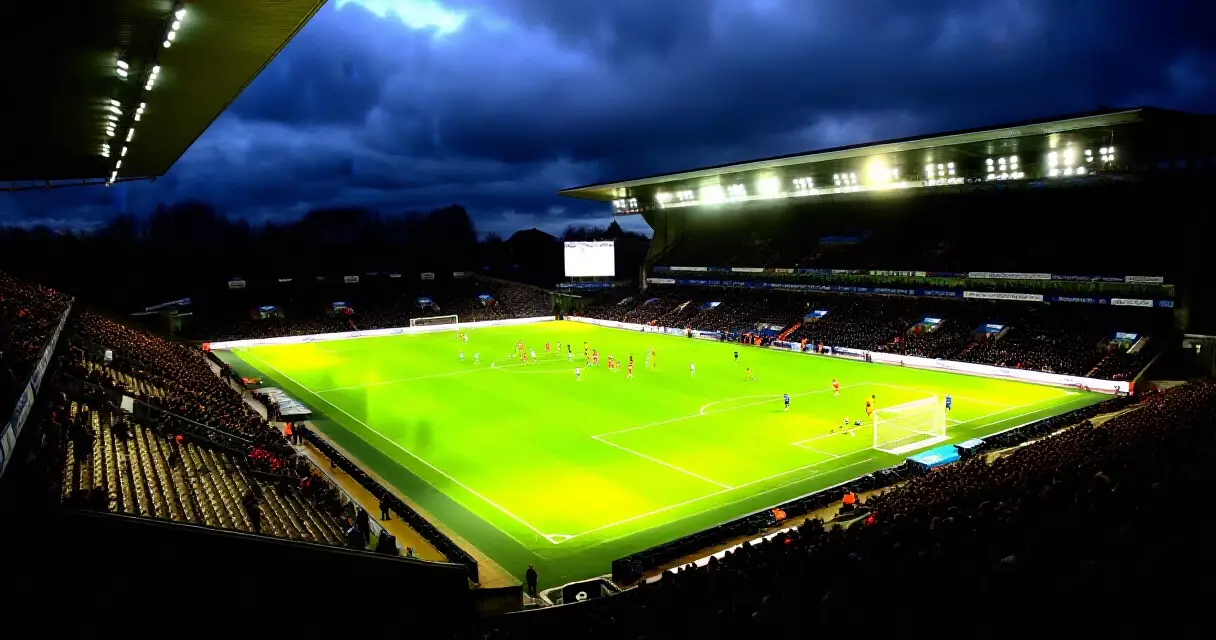
The asymmetry is what makes midweek nights so significant. On a standard Saturday, every club in the division plays within the same 24-hour window, so gains and losses largely cancel out across the table. A midweek round breaks that symmetry. If Manchester City win on Tuesday but Arsenal do not play until Saturday, City sit higher in the standings for four full days. The psychological pressure that creates on Arsenal's preparation is measurable – post-match manager interviews from those windows frequently reference it directly.
Fatigue adds another layer. A team that played a Europa League group-stage match on Thursday returns to league action by Sunday, then may face another midweek fixture just 72 hours later. Premier League performance data shows that clubs playing their third match within eight days record a measurable dip in high-intensity running distance – a metric that correlates directly with defensive errors and late-game collapses. Squad depth and rotation strategy become battlegrounds precisely because of this dynamic.
A Brief History of Midweek Title Deciders
English football's relationship with midweek fixtures predates the Premier League era by decades. The Football League was scheduling Tuesday and Wednesday matches from the 1950s onward, partly because the spread of floodlights opened evening kick-offs as a major commercial event. The Premier League, formed in 1992, inherited that tradition whole.
Some of the most consequential results in title history happened under floodlights on a Wednesday night. Arsenal's Invincibles season in 2003–04 was cemented in part by a run of seven consecutive midweek league victories – a streak that gave Arsene Wenger's side the cushion to absorb a late-season draw run and finish unbeaten in the league. Chelsea's back-to-back titles in 2004–05 and 2005–06 under Jose Mourinho were built on exactly the kind of midweek consistency against mid-table opponents that his detractors called boring but that produced championship margins.
Leicester City's improbable 2015–16 title, documented in detail on Wikipedia, hinged on picking up points in midweek against clubs that rotated heavily. Their 3–1 win at Manchester City in February 2016 – a Tuesday fixture – is still cited as the result that made neutrals believe the impossible might actually happen. It moved Leicester six points clear with 13 games left.
How Teams Perform on Tuesdays and Wednesdays
Aggregate data across Premier League seasons reveals a few consistent patterns. The gap between top-six and bottom-six clubs tends to widen slightly in midweek compared to weekends. Analysis published by The Guardian's football desk has noted that lower-table clubs who rotate more aggressively in midweek – prioritising fitness for the weekend – tend to concede early goals and lose by wider margins than on Saturdays. The decision to rotate is rational for survival, but it shows up in the scoreline.
Away wins are also slightly more frequent in midweek. The theory is straightforward: home crowds on a Tuesday night run 5–8% smaller than weekend averages for the same clubs, reducing the crowd-pressure effect that benefits home sides. When the stadium is not quite full, technically superior visiting teams face less noise, less intimidation, and in some cases a less hostile environment in the first 15 minutes – the period when crowd energy most measurably affects the game.
| Midweek Window | Typical Timing | Primary Cause | Approximate Matches |
|---|---|---|---|
| Post-international break | October / November | Fixture backlog after World Cup/Euros qualifiers | 10 |
| Pre-Christmas | Mid-December | Festive fixture congestion begins | 10 |
| Festive period | Dec 26 – Jan 2 | Boxing Day and New Year tradition | 10 |
| February catch-up | Late January / February | FA Cup / EFL Cup postponement fallout | 5–10 |
| Title run-in | April / May | Rearranged fixtures, European congestion | 5–10 |
A single Tuesday win in April can shift the title race more dramatically than three Saturday results combined, because the table moves before any rival has the chance to level it.
Clubs That Thrive and Those That Struggle
Squad depth is the single greatest predictor of midweek success. Clubs with 25 or more senior internationals can rotate without a significant drop in quality. Manchester City under Pep Guardiola from 2016 onward built the model: field a different starting XI in midweek, keep star legs fresh for the weekend, win both games. Between the 2017–18 and 2023–24 seasons, City's midweek home record in the Premier League was extraordinary – BBC Sport flagged during the 2023–24 title coverage that City lost just six home league games across that entire six-year stretch, regardless of day of the week.
At the other end of the table, newly promoted clubs suffer most in midweek. They typically carry squads of 20–22 reliable players, so rotation thins quality sharply. Burnley's 2023–24 relegation campaign saw them win just one of their eight midweek Premier League fixtures. That pattern is not coincidental – the physical demands of keeping pace with established Premier League clubs make back-to-back midweek fixtures a genuine crisis for under-resourced squads. Research from sport science programmes at institutions such as the University of Edinburgh has linked acute fixture congestion with higher injury rates and performance drops in smaller-squad clubs.
| Club Tier | Approx. Midweek Win Rate | Key Factor |
|---|---|---|
| Top six (in European competition) | 55–65% | Deep squad; risk of fatigue from Thursday Europa games |
| Top six (no European competition) | 60–70% | Full rest; first-team focus on domestic league only |
| Mid-table established clubs | 35–45% | Moderate depth; selective rotation possible |
| Newly promoted clubs | 20–35% | Thin squads; first team cannot be fully rested |
How to Follow Midweek Premier League Results Live
For supporters in the United States, midweek kick-offs in England translate to accessible afternoon slots. A standard 7:30 p.m. GMT kick-off in London lands at 2:30 p.m. ET; an 8:00 p.m. GMT game starts at 3:00 p.m. ET. That makes Tuesday and Wednesday Premier League nights significantly more viewer-friendly for American audiences than weekend early morning kick-offs. The full US streaming guide on this site covers every broadcast option in detail.
Peacock (NBCUniversal) holds the US broadcast rights for the Premier League under the current deal. Peacock Premium streams nearly every midweek fixture live, and the app runs on all major smart TVs, phones, and streaming sticks. USA Network picks up selected fixtures for linear TV viewers. For real-time scores when streaming is not possible, the Premier League's official app sends push notifications the moment a goal is scored – which is the fastest way to track live Premier League results today without a video feed.
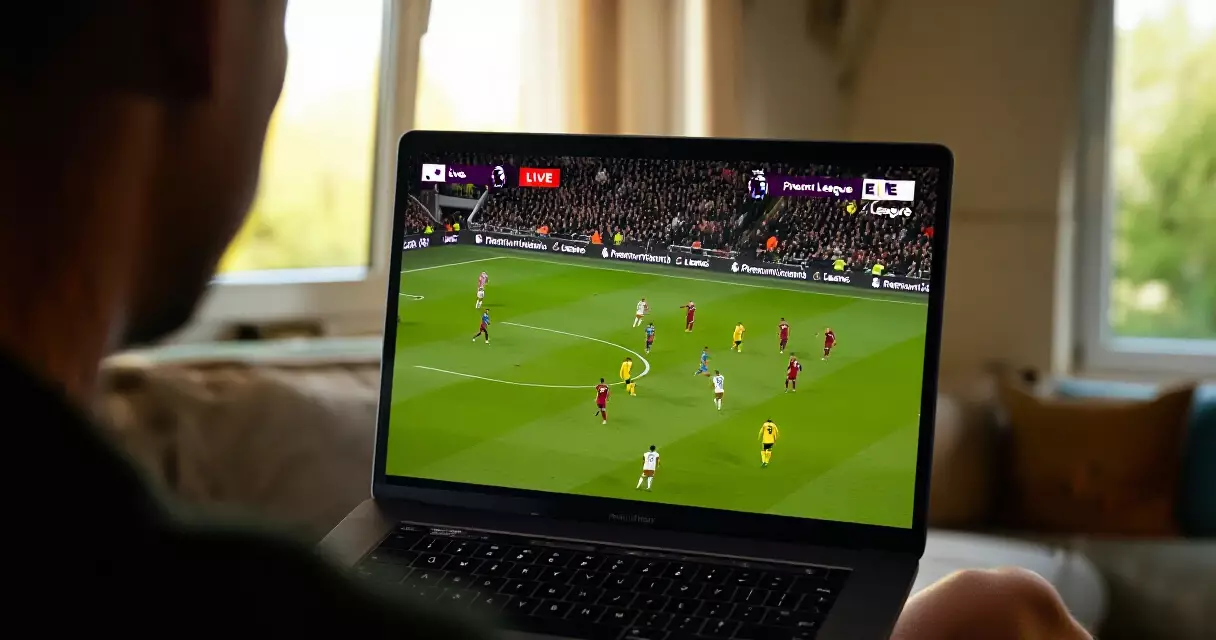
For the bigger picture – how the standings look once all midweek games have been played – the Premier League results hub on this site is refreshed after every round with full scorecards and table movement summaries.
If you want to compare how a specific club performs across midweek versus weekend fixtures over a full season, the results by team section breaks down home and away records at the club level, making it straightforward to spot patterns in form across different fixture windows.
A 3 p.m. ET kick-off on a Tuesday is one of the most accessible ways for US fans to watch live Premier League football without rearranging an entire evening.
Frequently Asked Questions
When do Premier League midweek fixtures typically take place?
Most Premier League midweek rounds fall on Tuesdays and Wednesdays. Kick-off times in England are generally 7:30 p.m. or 8:00 p.m. GMT, which translates to 2:30 p.m. or 3:00 p.m. ET for viewers in the United States. The Premier League schedules roughly six to eight midweek rounds per season, concentrated around international breaks in autumn, the festive December–January window, and the April–May run-in. Occasionally a specific game is moved to Thursday when both clubs have Wednesday European commitments that cannot be shifted. The league publishes its full schedule at the start of each season, with individual kick-off times confirmed five to six weeks in advance subject to broadcaster selection.
Why are midweek results so important for the title race?
Because not every club plays in every midweek round simultaneously, a win on Tuesday extends a team's lead before title rivals have even stepped onto the pitch. This creates asymmetric pressure that the standings do not fully capture: a club that goes three points clear on Wednesday night forces the chasing team to win on Saturday just to stay level – and that kind of sustained obligation historically contributes to dropped points. In the 2021–22 season, Liverpool and Manchester City played parallel midweek rounds for weeks on end, keeping the gap at one point for a prolonged stretch and creating one of the most intense title battles the league had seen in years.
The same dynamic applies in relegation scraps. A single midweek win can lift a club out of the bottom three while rivals wait until the weekend, generating the kind of breathing room that managers say changes the mood and confidence of an entire squad. Midweek results also affect goal difference, which can separate clubs on equal points at the end of the season.
Do managers rotate their squads for midweek games?
It depends entirely on the club's situation. Teams fighting relegation or chasing a top-four place typically cannot afford rotation and name their strongest available side regardless of the day. Clubs comfortably in the top three – particularly those without European competition that week – often change three to five players to manage fitness loads. Managers with very deep squads, like Guardiola at Manchester City or Klopp during his Liverpool tenure, treated rotation as a deliberate weapon: rest the first-choice spine, trust trusted backup players to collect three points in midweek, keep the main men fresh for the weekend. That philosophy became a blueprint other well-resourced clubs adopted during the 2020s.
How many midweek rounds are there in a typical Premier League season?
Most seasons include six to eight dedicated midweek rounds alongside any individually rearranged fixtures. A season with three international breaks, an active FA Cup and EFL Cup run, and multiple clubs competing in Europe from August through May will have more midweek slots than one where those factors are lighter. The 2023–24 season included eight full midweek rounds plus several games rearranged individually to Tuesday or Wednesday slots. The precise number is never fixed in advance: the Premier League publishes a framework schedule in June before the season starts, but specific dates shift throughout the year as cup results and European draws change the picture.
Where can I watch Premier League midweek matches in the United States?
Peacock Premium (NBCUniversal) holds the primary US broadcast rights for the Premier League under the current contract. Nearly all midweek fixtures stream live on Peacock, starting at 2:30 p.m. or 3:00 p.m. ET depending on kick-off time. Some games are simulcast on USA Network for linear TV viewers. The Peacock app is available on Roku, Fire TV, Apple TV, Android, and iOS. Sirius XM's dedicated Premier League channel carries audio commentary on most midweek nights for listeners who prefer radio. For the full breakdown of platforms, costs, and blackout rules, the live streaming guide on this site covers every option currently available to US-based fans.
Do home teams have an advantage in midweek Premier League fixtures?
A home advantage exists across all days of the week in Premier League football. Across all fixtures, home sides win approximately 43% of matches, draw 26%, and lose 31%, according to aggregate figures tracked on Wikipedia's Premier League statistics page. In midweek, that edge is slightly compressed for two reasons. First, crowd sizes on Tuesday nights run 5–8% below the weekend average for most clubs, reducing the noise and pressure that home supporters generate – particularly in the first 20 minutes when crowd energy most directly affects how a game opens up. Second, visiting sides in midweek typically travel the day before and stay overnight, partially equalising the preparation gap. Still, playing at home at a ground capable of generating real atmosphere remains a meaningful edge.
Where can I check the full Premier League results archive including midweek games?
The most authoritative record of every result since the 1992–93 inaugural season is the Premier League's official results page, which allows filtering by season, date range, and club. It does not distinguish midweek from weekend fixtures, but filtering by month and day quickly isolates any Tuesday or Wednesday round.
For a curated summary of the current season's results with table snapshots after each round, the 2024–25 season archive on this site collects every scoreline in one place.
If you are specifically researching how a club performed across midweek versus weekend fixtures, the results by team page breaks down records at the club level, including home and away splits that reveal how fixture timing shapes a side's overall season.
Sources
- Premier League official results and statistics – premierleague.com/results
- Premier League performance data – premierleague.com/stats
- Wikipedia, "Premier League" – en.wikipedia.org/wiki/Premier_League
- Wikipedia, "2015–16 Leicester City F.C. season" – en.wikipedia.org
- BBC Sport, Premier League coverage – bbc.co.uk/sport/football/premier-league
- The Guardian, Premier League section – theguardian.com/football/premierleague
- University of Edinburgh, sport science research – research.ed.ac.uk
Cricket Match Scorecards: Test, ODI & T20 Results Database