Summary
✓Reviewed by Laura Bennett India defeated Sri Lanka by 72 runs in the Women's Asia Cup 2026 final at the Dubai International Cricket Stadium on September 13, claiming a record-extending eighth title, but the victory was overshadowed by a diplomatic...
Table of contents
- 1 Shafali and Mandhana Set the Platform With 129-Run Stand
- 2 Charani’s Four Wickets Dismantle Sri Lanka’s Chase
- 3 Scorecard Summary: India vs Sri Lanka, Women’s Asia Cup 2026 Final
- 4 Record-Extending Eighth Women’s Asia Cup Title
- 5 Trophy Presentation Standoff With Mohsin Naqvi
- 6 Repeat of 2025 Men’s Asia Cup Trophy Controversy
- 7 What Comes Next
- 8 Related Coverage
- 9 Sources
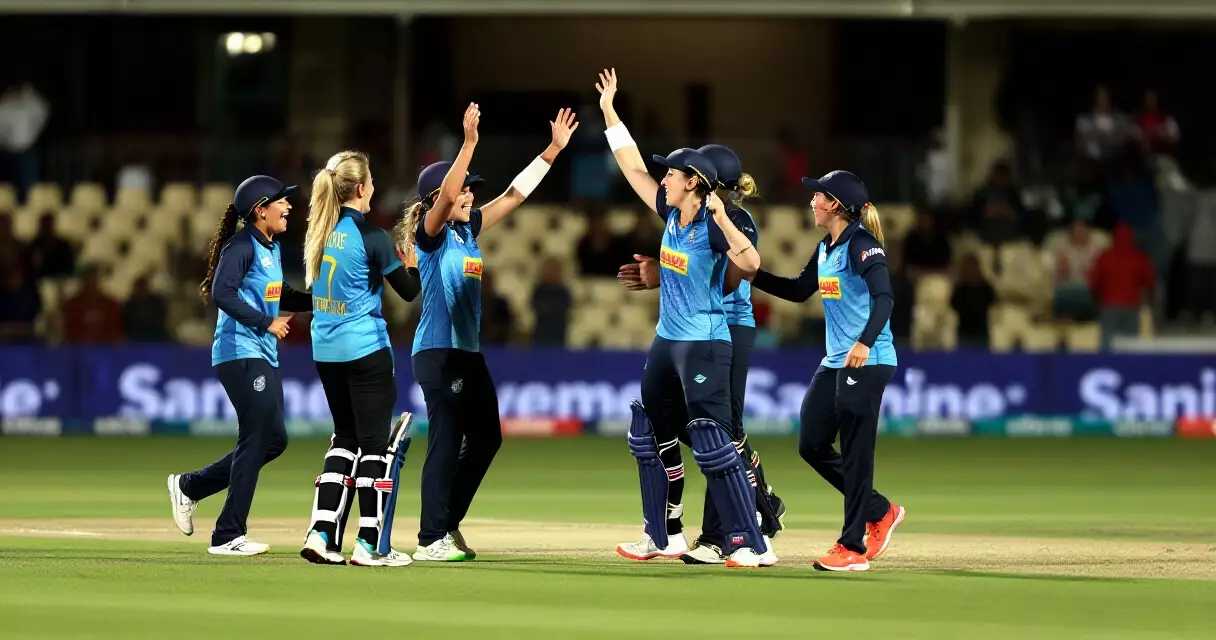
India defeated Sri Lanka by 72 runs in the Women’s Asia Cup 2026 final at the Dubai International Cricket Stadium on September 13, claiming a record-extending eighth title, but the victory was overshadowed by a diplomatic standoff after Harmanpreet Kaur’s team refused to accept the trophy from Asian Cricket Council president and Pakistan Cricket Board chairman Mohsin Naqvi.
Half-centuries from openers Shafali Verma (68) and Smriti Mandhana (59) powered India to 183 for 5, before Shree Charani’s four-wicket haul restricted Sri Lanka to 111 all out, sealing a comprehensive victory that extended India’s dominance in the continental tournament.
Shafali and Mandhana Set the Platform With 129-Run Stand
India’s triumph was built on a commanding 129-run opening partnership between Shafali Verma and Smriti Mandhana, who attacked from the first over on a flat Dubai surface. Shafali top-scored with 68, striking boundaries at will, while Mandhana contributed a fluent 59 to give India an imposing foundation.
The middle order capitalised on the platform, accelerating through the death overs to post 183 for 5 from their 20 overs — a total that proved well beyond Sri Lanka’s reach. According to ESPNcricinfo’s match report, the opening stand was the decisive partnership that set up India’s commanding total.
Charani’s Four Wickets Dismantle Sri Lanka’s Chase
Sri Lanka’s reply never gained momentum. Captain Chamari Athapaththu top-scored with 36, but she found little support from the rest of the batting lineup. Shree Charani was the standout bowler, returning figures of 4 for 20 to tear through the Sri Lankan middle order, while Deepti Sharma chipped in with 2 for 19.
Sri Lanka were bowled out for 111 in exactly 20 overs, with Deepti Sharma taking the final wicket on the last ball of the innings to seal the 72-run victory. As the defending champions, Sri Lanka entered the final with confidence, but India’s all-round performance was too clinical to overcome.
Scorecard Summary: India vs Sri Lanka, Women’s Asia Cup 2026 Final
| Detail | India | Sri Lanka |
|---|---|---|
| Score | 183/5 (20 overs) | 111 all out (20 overs) |
| Top Scorer | Shafali Verma — 68 | Chamari Athapaththu — 36 |
| Key Partnership | Verma & Mandhana — 129 runs (opening) | — |
| Best Bowling | Shree Charani — 4/20 | Mithali Ayodhya — 1/33 |
| Result | India won by 72 runs | |
| Venue | Dubai International Cricket Stadium | |
| Date | September 13, 2026 | |
Record-Extending Eighth Women’s Asia Cup Title
The victory gave India their eighth Women’s Asia Cup title overall and their fourth in the T20 format of the tournament, further cementing their status as the dominant force in Asian women’s cricket. India had previously won the title in the 50-over format and have now added to their T20 tally with another convincing final performance.
Sri Lanka, who entered as defending champions, were unable to repeat their title-winning heroics from the previous edition. The result was also significant in the context of the ICC Women’s T20 World Cup, with both teams using the Asia Cup as preparation for the global tournament.
Trophy Presentation Standoff With Mohsin Naqvi
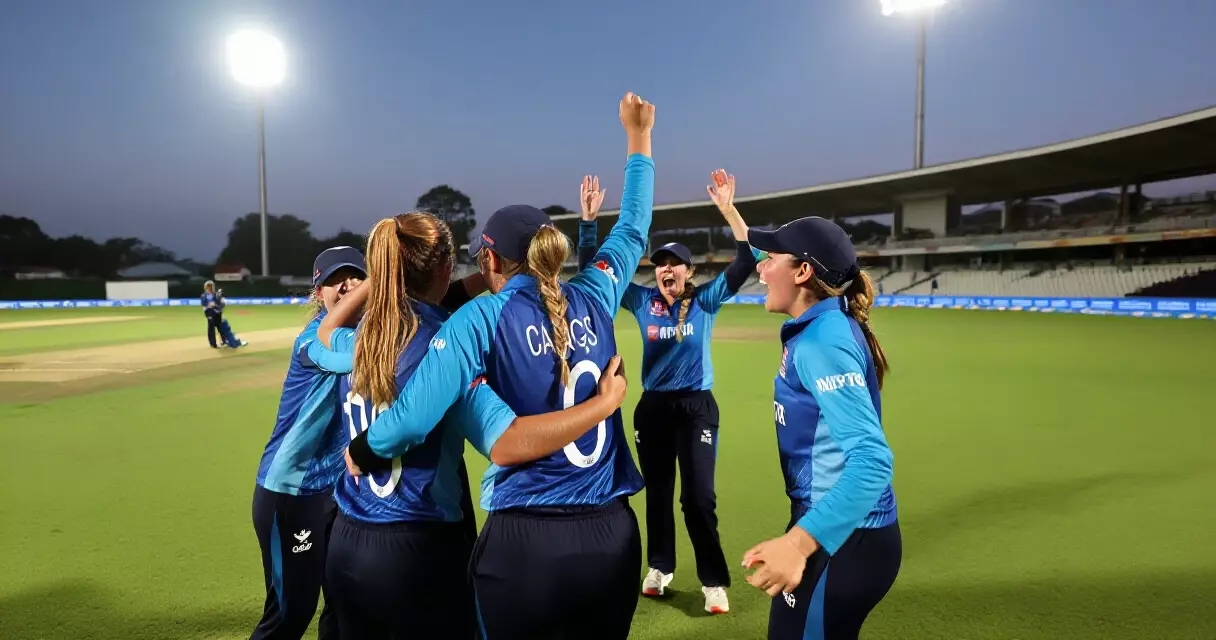
The post-match celebrations were immediately overshadowed by a diplomatic standoff at the trophy presentation. Harmanpreet Kaur and the Indian team refused to accept the Women’s Asia Cup trophy from Mohsin Naqvi, who attended the final in his dual capacity as ACC president and PCB chairman.
According to a report from The Indian Express, the Board of Control for Cricket in India had informed the ACC in advance that India would not accept the trophy if Naqvi was the presenter. The presentation ceremony was delayed and ended abruptly, with the Indian team celebrating their victory without the official trophy.
BCCI secretary Devajit Saikia confirmed the board’s position. “That stand has been taken by BCCI and we stand by it,” Saikia told reporters on September 14, according to India Today.
Saikia also indicated the BCCI would escalate the matter if necessary. “We have written to the ACC, stating that the trophy must be given to the champion team. We are awaiting their reply. If there is no response, or it is unsatisfactory, we will raise the issue with the ICC,” he added.
Repeat of 2025 Men’s Asia Cup Trophy Controversy
The incident was a near-exact repeat of the men’s Asia Cup trophy standoff in 2025, when India’s men’s team also refused to accept the trophy from Naqvi at the same venue in Dubai. That dispute remained unresolved, with the trophy reportedly left at the ACC headquarters.
Reports indicated that Naqvi had insisted on presenting the trophy himself despite India’s prior objection. Sri Lanka captain Chamari Athapaththu accepted the runners-up cheque and medals, but the winners’ presentation did not proceed as planned. The ACC later confirmed that India could collect the trophy at a later date, mirroring the arrangement offered after the men’s tournament.
The ongoing dispute between the BCCI and Naqvi reflects broader tensions between the Indian and Pakistani cricket boards, which have extended beyond bilateral playing arrangements into governance and ceremonial matters within the ACC structure. The ICC World Test Championship cycle has also seen scheduling complexities related to India-Pakistan fixtures.
What Comes Next
The trophy row is expected to dominate cricket governance discussions in the coming days. The BCCI has set a deadline for the ACC to respond to its formal communication, and Saikia’s statement suggests the matter could be escalated to the International Cricket Council if no resolution is reached.
On the field, India’s commanding performance underlined their credentials ahead of the ICC Women’s T20 World Cup. Shafali Verma’s aggressive batting, Smriti Mandhana’s consistency, and Shree Charani’s bowling versatility give the team multiple match-winning options across all departments.
For Sri Lanka, the 72-run defeat in the final will prompt questions about their batting depth beyond Athapaththu. The defending champions were unable to build partnerships in the chase and will look to address that vulnerability before the global stage.
The trophy itself remains with the ACC. Whether India eventually receive it — and under what circumstances — will depend on how the diplomatic standoff between the BCCI and Naqvi is resolved in the weeks ahead.
Related Coverage
- Kuwait Beat Singapore by 160 Runs in ACC Men’s Premier Cup 2026 Group B
- Rybakina Defeats Sabalenka in Three Sets to Win 2026 US Open Women’s Title
- Cricket World Cup 1983: India’s Victory Story That Changed the Game